 2026-04-20 05:09:16
 The Art of Capturing the Elusive Fly in Animal Crossing: New Horizons
Animal Crossing: New Horizons offers players numerous quirky challenges, and among them is the art of catching one of the game's most elusive insects—a fly. While in everyday life these tiny creatures are ubiquitous, in the game they demand a unique blend of strategy and persistence. Players must engage several different mechanics to coax this insect into view, blending fishing, exploration, and an understanding of the island's simulated ecosystem. This process not only enriches museum collections and Critterpedia entries but also offers a subtle nod to nature's unpredictable rhythms. The journey to capture the fly unfolds slowly and deliberately, rewarding those who invest time in exploring both conventional and unconventional techniques.
The Uncommon Pursuit of a Tiny Inhabitant
Within the expansive catalog of bugs in Animal Crossing: New Horizons, the fly stands out as a uniquely rare catch. Unlike its real-world counterpart, which may swarm unnoticed, the virtual fly Compels players to actively partake in a sequence of carefully orchestrated actions. This pursuit emphasizes the game’s layered mechanics where even seemingly trivial tasks can be imbued with subtle complexity and satisfaction. Players learn that attaining this particular insect is not accomplished through sheer chance alone but through a ritual that involves interweaving fishing, environmental manipulation, and good timing. Every aspect of this quest reaffirms the game’s dedication to immersion and strategy, presenting a challenge that is both satisfying to complete and emblematic of the island’s intricate ecology.
A Fishing Expedition with an Unexpected Twist
An intriguing aspect of the fly-catching process is that it begins with fishing—a mechanic generally associated with aquatic life rather than terrestrial insects. This unusual crossover challenges the conventional expectations of gameplay, inviting players to engage in multifaceted activities. When fishing, the goal is not simply to secure aquatic rewards but to retrieve an item classified as garbage. This unexpected outcome, when it happens, acts as a critical trigger in the chain of events leading to the fly’s appearance. This creative twist reinforces the game’s knack for blending ordinary island activities with extraordinary outcomes. The need to fish for a non-fish item not only highlights the game designer's inventive approach but also paves the way for players to think outside the box.
Choosing the Right Bait: Trash Versus Spoiled Turnips
After securing an item through fishing, players are presented with two distinct options for luring the elusive fly—using raw garbage or spoiled turnips. Each method has its unique dynamic and resource implications. Using raw garbage requires only a bit of fishing effort with no extra cost, making it a straightforward method to initiate the process. On the other hand, using spoiled turnips introduces an economic element into the challenge. Players must invest bells to acquire turnips and risk a potential loss should the turnips depreciate before a successful encounter. This choice enriches the gameplay by Introducing an additional facet of strategic thought, as players weigh the risks and rewards. The underlying mechanism subtly underscores the game’s emphasis on environmental manipulation and resource management.
Exercising Patience and Nurturing Anticipation
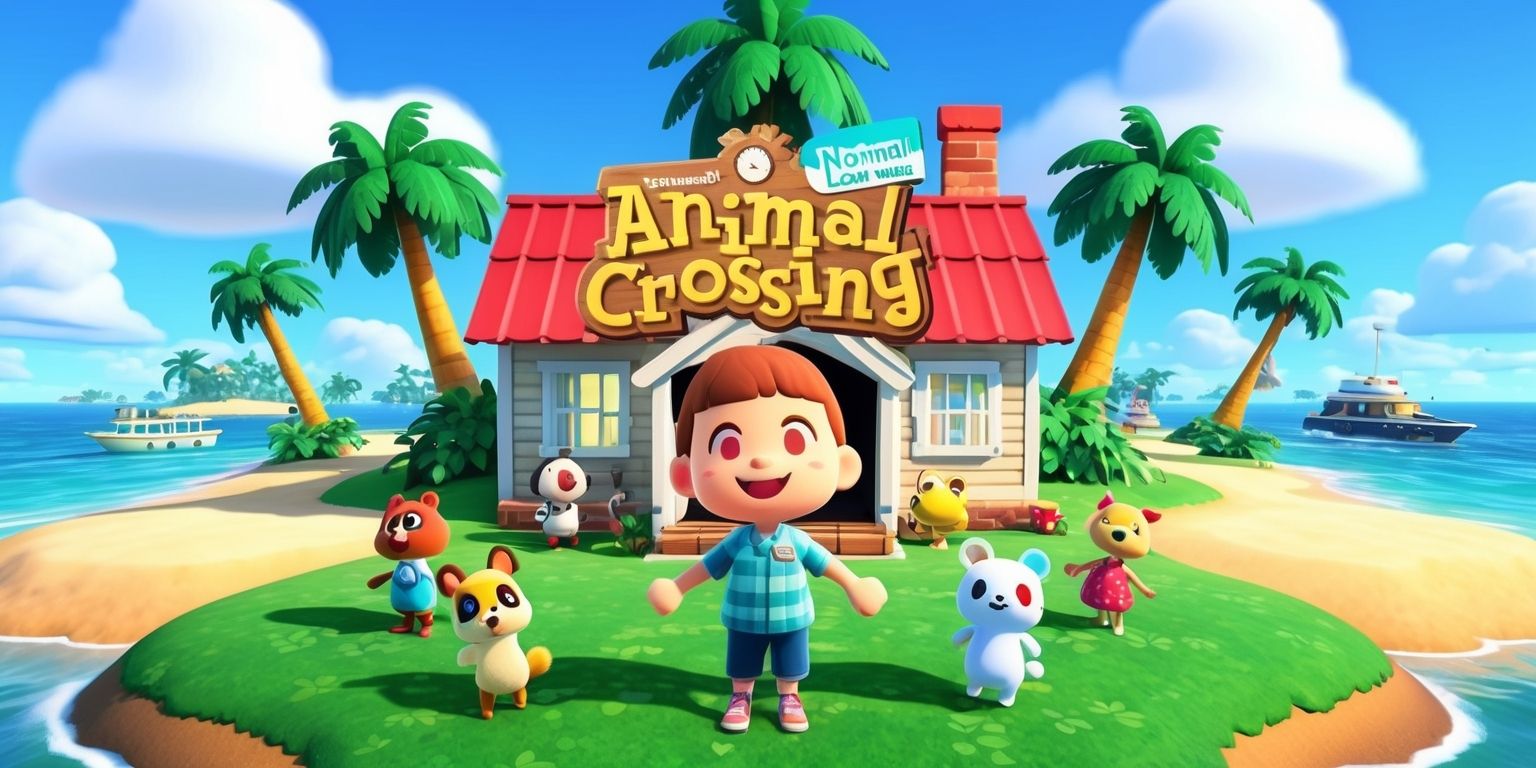
Patience is an essential virtue in the delicate art of fly catching, as players often wait for the insect to appear. The game intentionally introduces a delay that encourages players to explore the island and engage in other activities, heightening the sense of anticipation. The challenge resides in not rushing through the steps but appreciating the buildup that converges in one fleeting moment. This period of waiting serves as a practical lesson in game pacing, where the enjoyment lies not Not confined solely to the catch, but also found in the surrounding area journey toward it. As players slowly observe changes in the island environment, they become more attuned to subtle shifts influenced by their previous actions. Such moments exemplify the game’s focus on patience and the rewards that come with attentive exploration.
Island Exploration and Environmental Interplay
The vibrant landscapes of New Horizons play an active role in the fly-catching process. Once players drop the acquired item outside, they are incentivized to traverse various parts of the island in search of the fly. The island ceases to be a static environment, morphing into a dynamic backdrop where even simple objects can trigger significant encounters. This interplay between player actions and the evolving ecosystem highlights the importance of thorough exploration. The spatial relationship between the dropped item and the eventual appearance of the fly adds a layer of unpredictability. It challenges players to remain observant and open to exploring new areas, reinforcing the idea that the island holds secrets waiting to be uncovered through deliberate interaction with its elements.
The Tactical Approach: Preparing Your Net
Central to the process is the readiness to act when the fly finally appears. This involves keeping the net at the ready—a tool that is typically used for capturing other insects—thus bridging the gap between action and success. The necessity to be prepared amplifies the sense of urgency during the brief windows when the insect is detectable. Players develop a tactical mindset that balances anticipation with decisiveness. This mechanic elevates the challenge, as every moment missed could mean the disappearance of the opportunity. Moreover, the skillful use of the net is a nod to the game’s broader focus on precision and timing, where every tool, no matter how simple, plays a pivotal role. The careful orchestration of these steps enriches the interactive experience and rewards attentive gameplay.
Temporal Considerations: Day, Night, and Weather
The fly-catching endeavor is intricately tied to the game’s day-night cycle and weather conditions. While the fly may emerge at any time, it is essential to avoid adverse weather, particularly rain, which can disrupt the catching process. The game’s careful calibration of time and climate factors creates a realistic environment, where the availability of certain creatures depends on these conditions. This clever design element forces players to synchronize their actions with the broader rhythms of the island. The thoughtful integration of temporal elements enhances immersion by mirroring real-world ecological dependencies. By aligning player expectations with the natural cycles found in nature, the game subtly teaches that timing is as crucial as technique in achieving success.
Economic Dynamics and In-Game Value
Once a player finally secures a fly, the journey branches out into the game’s intricate economic system. The fly, while not particularly valuable, holds a dual role: it contributes to the Critterpedia collection and can be sold for a modest sum. The economic dynamics come into play when deciding whether to donate the specimen to the museum or to trade it for bells. A dedicated vendor, identified as Flick, offers a premium rate compared to standard transactions at Nook's Cranny, thereby incentivizing players to make smart financial choices. This feature deepens the gameplay by highlighting the interplay between collection, trade, and strategic in-game resource management. It further illustrates how even a seemingly minor catch can ripple into broader economic decisions on the island.
Contributions to the Critterpedia and Museum
The significance of catching a fly extends beyond immediate economic gains by contributing to the player’s Critterpedia and the island’s museum. Each captured insect enriches both personal records and public exhibitions, adding layers of narrative and historical context to the island's evolving story. This contribution is not merely a checklist but becomes part of a larger tapestry of biodiversity celebrated within the game. The museum acts as both a repository of natural history and a marker of a player’s experiences and achievements. Moreover, the registration in the Critterpedia ensures that every effort spent in tracking down these elusive creatures is documented, fostering a sense of accomplishment and lasting legacy in the virtual community.
Artistic Interplay in Creature Collection
Beyond its utilitarian roles, the act of capturing a fly offers unique artistic potential within Animal Crossing: New Horizons. With a flair for combining natural elements and collectible art, players can commission special pieces that utilize multiple specimens to create visually striking displays. This aspect of the game appeals to creative minds who see beauty in even the most modest finds. The interplay between art and nature is underscored by the fact that certain characters within the game are renowned for their aesthetic contributions, transforming insects into elements of a larger canvas. Such creative integrations enrich the narrative of the island, encouraging players to view every interaction, every capture, not just as a mechanical task but as an opportunity for personal artistic expression.
Comparing the Fly with Other Island Insects
In the broader context of the island’s diverse entomological cast, the fly occupies an intriguing niche. It is one among many insects available for collection, yet its rarity and the complex process required to secure it set it apart from its more common counterparts. For instance, while certain insects are abundant and appear under predictable conditions, the fly demands a multi-faceted approach that intertwines fishing, environmental manipulation, and precise timing. This difference enhances the fly’s allure, as players find themselves drawn to its elusive nature. Additionally, the game’s system of varied values assigned to different bugs encourages thoughtful prioritization, ensuring that the quest for a fly is both challenging and uniquely rewarding. In this way, every insect, regardless of its monetary worth, contributes to the vibrant tapestry of island life.