 2026-11-06 05:04:51
Legend of Witch Tier List and Elemental Team Guide
Legend of Witch brings a familiar pixel-RPG charm and wraps it in a system that is easy to learn but surprisingly layered when it comes to team building. The game leans into a bright retro presentation, a witch-centered adventure, and a roster of summonable Friends that shape how every fight unfolds. Because those companions are not all equal, choosing the right ones can significantly increase damage potential, elemental support, and overall smoothness during progression. That is where a detailed tier list becomes especially useful, helping players sort through the mix of rarity, elemental synergy, and practical value in a simple but effective way.
What makes this RPG stand out is not a complicated combat model, but the way it turns modest systems into a meaningful collection experience. Each Friend has a specific purpose, and the best results come from matching them to the witch’s elemental path rather than simply chasing the rarest names. The result is a game that rewards planning, patience, and smart choices. Whether you are building around Fire, leaning into support, or just trying to make the strongest team from what you currently own, the structure of the game gives those decisions real weight.
Pixel Worlds With a Familiar Spark
Legend of Witch uses pixel art in a way that feels nostalgic without looking old-fashioned. The visual style is built on crisp sprites, bold colors, and readable designs that make each Friend easy to recognize at a glance. That clarity matters in a game where roster management is what makes it enjoyable, since players are able to quickly identify who belongs in a team and who fits a specific element. The witch, the Friends, and the surrounding environments all share the same compact artistic language, which keeps the game cohesive even when the mechanics remain fairly simple.
The presentation is also useful beyond style alone. By keeping animations and effects clean, the game makes it simpler to monitor what is going on during combat. Elemental attacks are distinct enough to matter, yet they do not overwhelm the screen. This balance gives the experience a relaxed pace while still allowing the player to notice progression, upgrades, and power spikes. For fans of retro-inspired RPGs, the visuals offer a comfortable blend of charm and function.
How the Summon System Shapes Progress
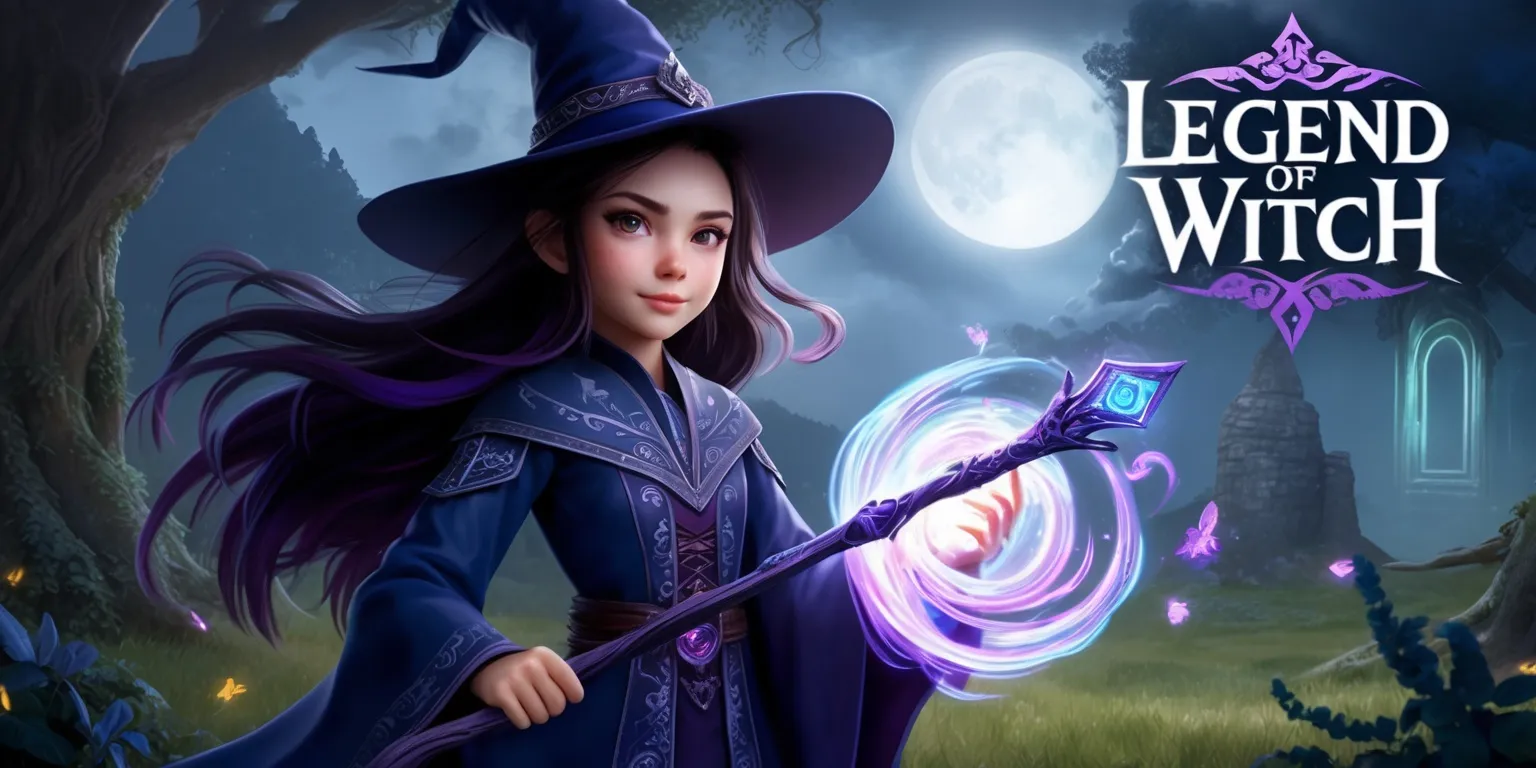
At the center of Legend of Witch is its gacha-based summoning system, which gives players access to the Friends that support the witch in battle. This system is important because it defines how teams are assembled and how power is accumulated over time. Players do not simply unlock the perfect lineup right away. Instead, they work with whatever Friends they have acquired, then refine their formation as stronger options arrive. That gradual process creates a steady sense of development, especially when a rare summon finally appears.
The summoning structure also makes every new Friend feel relevant. Even lower-rarity units can be useful in the early stages, which helps keep progress moving while better options are still out of reach. Since the game does not assume immediate access to top-tier units, it encourages players to think in terms of optimization rather than perfection. The result is a system that feels approachable for newcomers and still engaging for dedicated long-term gamers looking to create a polished roster.
Why Element Matching Matters So Much
Element alignment is the main strategy driver in Legend of Witch. The best Friend for a team is not always the rarest one, but often the one that matches the witch’s current skill element. This is where the game turns out to be more reflective than it initially seems. A Fire-focused build, for example, benefits most from Fire Friends because they raise Fire damage and reinforce the intended playstyle. That same logic applies to every other element, making team construction a matter of synergy rather than simple rarity sorting.
Because there are no universal Friends for every element, players need to be deliberate when choosing their squad. This adds structure to progression and keeps loadouts from feeling interchangeable. If a player changes the witch’s element, the ideal support lineup changes too. That dynamic gives the game long-term depth and prevents team building from becoming static. It also means that a player’s roster is more than a collection of names; it is a toolkit for different elemental paths and strategies.
Reading the Tier List as a Practical Tool
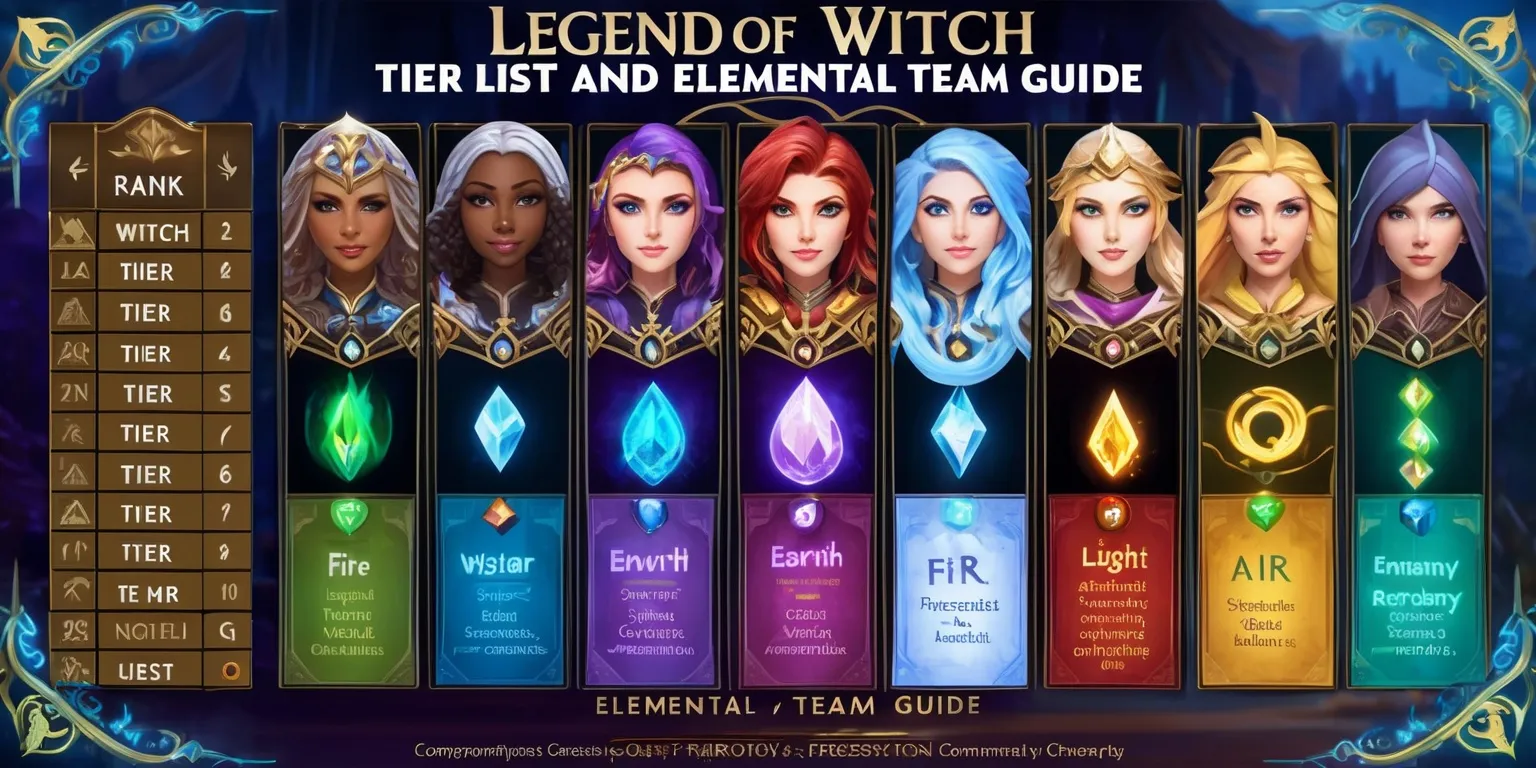
The tier list in Legend of Witch is more than a ranking chart. It acts as a quick reference for understanding which Friends bring the strongest bonuses and which ones have more limited value. Since the roster includes units across the full range of star ratings, from low-tier starting pieces to highly desirable 5-star options, the list helps separate the most impactful choices from the filler ones. That can save many rounds of testing and adjustments, particularly for players who have not yet built a large collection.
One important detail is that the ranking is based on bonuses rather than raw appearance or popularity. This means the table focuses on performance, not prestige. A player using the list can compare what they own against what is considered stronger, then swap in the highest tier available from their current collection. That practical angle makes the guide useful at every stage of play, not just for endgame optimization.
S+ Friends and Their Strongest Presence
The uppermost tier contains the most valuable Friends for a reason. Units such as Flame, Echor, Pega, Aquari, Prism, and Aura sit at the top because they provide the most desirable bonuses in their respective roles. These Friends are the ones that can define a build rather than simply support it. When a team is built around one of these names, the improvement in damage, consistency, or elemental alignment can be immediately noticeable. They are the sort of picks players look forward to when summoning.
Even among top-tier options, each Friend still serves the broader element system in a different way. Some may fit offensive setups better, while others help make a team feel more complete. That variety is valuable because it allows high-end rosters to have some flexibility without abandoning their core identity. The S+ group represents the strongest commitment to an element-focused approach, and it is where a lot of players will aim once they begin refining their squad.
The Reliable Weight of S Tier Units
The S tier is filled with Friends that feel dependable and powerful enough to carry a team through a wide range of situations. Pyro, Lava, Echor, Silva, Sparky, Ivy, and Thor are examples of units that sit just below the absolute top, but still bring excellent value. These Friends are often the ones that players can rely on when they have not yet acquired enough elite options to complete a perfect elemental setup. Their bonuses make them strong additions to many lineups.
What makes this tier interesting is the balance between accessibility and strength. A player may not have every S+ Friend, but an S tier unit can still anchor a build effectively. That makes the tier especially important during mid-progress stages, where roster quality is improving but not yet finalized. For many players, these Friends are the bridge between early-game randomness and a more specialized endgame team.
High Utility in A Tier Lineups
A tier Friends remain very useful and should dismissed outright just because they are not at the very top. Leonta, Draco, Echo, Willow, Leaf, Eagle, Storm, Snow, Marine, and Ollie all bring solid value in a game where elemental fit matters so much. For players without access to S or S+ options, these units can still provide a meaningful improvement over lower-rarity alternatives. Their role is to keep the team functioning well while the roster continues to develop.
This tier often becomes the most practical for a significant portion of the player community. The odds of pulling the absolute best units may be low, so A tier Friends can become the backbone of a strong and workable team. They prove that the game’s progression does not depend on perfect luck. Instead, it rewards assembling the best combination from what is available and using element synergy intelligently.
Middle Rankings and the Value of Solid Support
B tier units such as Bella, Flare, Kayla, Lulu, Pico, Luger, Ciel, Pen, Luna, Jenki, and Terra, and similar companions sit in a useful but less dominant space. They may not make the strongest impact individually, but they still offer enough bonus value to justify inclusion in the right circumstances. In the earlier progression of the game, these Friends can be perfectly serviceable, especially when the player is still building toward a more specialized elemental composition.
Their importance lies in consistency. A weaker roster still needs to function, and B tier Friends help make that possible until better alternatives are obtained. Some players may also keep them around if they line up well with the chosen element and provide better support than an off-element higher-rarity option. That flexibility keeps the ranking system grounded in real gameplay use rather than rigid theory alone.
Lower Tier Choices and Early-Game Stability
C tier includes names like Leon, Shari, Noah, Aqua, Pinky, Toto, and Chris. These Friends are generally outclassed by the units above them, but they still have value in the early parts of the adventure. When a player has not yet collected enough options, these characters can fill necessary slots and keep progression from stalling. Their purpose is not to outperform stronger units, but to remain useful until better summons arrive.
That early-game stability matters because it keeps the experience moving. A new player does not need to feel locked out simply because their roster is incomplete. Instead, they can use what they have, learn the elemental structure, and gradually improve their lineup. Even the lowest-ranked Friends contribute to that educational phase, since they help players understand how the system works before more specialized teams come into play.
Building Around the Witch’s Elemental Path
Team creation in Legend of Witch becomes much easier once the player commits to an element. A Fire setup wants Fire Friends, a different element wants its own matching support, and the same rule stays consistent across the roster. This encourages players to view the witch not as a lone combatant, but as the center of a coordinated elemental plan. Once that idea clicks, roster decisions become far more intentional and much less random.
The absence of universal Friends makes this process more meaningful. Instead of simply choosing the highest numbers, players must think about alignment, bonuses, and available summon results. That gives each collection a distinct identity and makes duplicate pulls or mixed rosters less frustrating. The game’s design strongly favors focus, and the best teams are usually the ones that respect that emphasis on matching elements.
What Makes the Whole System Feel Rewarding
Legend of Witch manages to turn a simple RPG structure into something satisfying by making each part of the team-building loop matter. The pixel art keeps the game approachable, the summoning system adds anticipation, and the tier list gives players a clear way to evaluate their options. Even though the mechanics are straightforward, they create enough room for planning that every summon and roster adjustment feels relevant. The game’s appeal comes from that blend of comfort and strategy.
At the same time, the Friends themselves give the adventure its personality. Players are not just collecting stat boosts, but assembling a magical cast that supports the witch’s chosen style. Some units stand out because of their power, others because they fit a specific element beautifully, and many are useful precisely because they help a team stay efficient. That layered approach gives the game a collection-driven rhythm that remains engaging over repeated sessions.