 2026-07-20 05:06:46
 Evolving Tag-Team Combat: Balancing Legacy and Modern Strategy
In a realm where fighting games continually evolve, one title stands out by merging a familiar tag-team format with a rich and dynamic combat system. The game invites competitors into a fast-paced arena where every exchange is a meticulously crafted dance of strategy, timing, and instinct. With gameplay elements reminiscent of classic 2D fighters and innovative mechanics that challenge both offense and defense, the experience serves as a robust evolution of the style popularized by earlier masters of the genre. Each encounter is designed to test the players’ ability to read their opponents and react on the fly, ensuring that every battle felt earned and uniquely thrilling.
Revived Fighting Heritage and Tag-Team Synergy
Drawing inspiration from a celebrated legacy, the game refines the tag-team fighting formula into a three-on-three structure that demands both strategic depth and precise execution. It brews a fusion of past influences with modern refinements, reminiscent of a beloved franchise reboot where legacy mechanics are both honored and reimagined. Each fighter is designed with distinct animations and unique combat moves, ensuring Here's a rewritten version that maintains the original context while ensuring uniqueness: "that the game fails to deliver its intended atmosphere." only fast-paced but also infused with personality. The heritage of a classic title underpins the combat system, prompting a familiarity for veterans while introducing enough novel elements to captivate newcomers. Throughout its multiple modes, the game consistently emphasizes fluid transitions and cooperative play, creating a rewarding atmosphere that challenges players to master both individual techniques and team coordination.
Intricate Combo Mechanics and the Art of Meter Management
At the heart of each matchup lies a a finely tuned equilibrium between offensive maneuvers and defensive strategies, where every combo sequence becomes a thoughtful negotiation. The game’s combo system is structured as a two-way street, requiring attackers to persist in stringing together well-timed moves while managing a critical meter that governs the flow of the action. If that meter is allowed to fill to maximum, the combo abruptly halts, awarding the defense a fleeting opportunity. This subtle mechanic encourages players to pace their exchanges, adding a layer of strategic tension that transforms each combo into a mini psychological duel. Furthermore, every decision made in the heat of combat, whether delaying a tag or committing to an aggressive feint, can alter the flow of battle. This intricate balance makes each engagement feel like a contest It challenges your ingenuity just as much as your reaction speed.
Counter Strategies and Tactical Feints
A core element that characterizes the game’s combat system is the opportunity for defenders to disrupt the momentum of an opponent’s weave by executing a precise counter action. Players can initiate a Counter Tag, interrupting the opponent’s continuous offensive by timing a tag just as an assault nears completion. This mechanic introduces a captivating layer of bluff and anticipation; the attacker must decide whether to delay a tag to confuse the adversary or to feint altogether, thereby risking vulnerability if the opponent remains alert. Mirroring the ebb and flow of a high-stakes duel, these maneuvers reward quick thinking and adaptability, making the overall experience deeply engrossing. The interplay between threat and reaction, feint and genuine tag, forms a microcosm of broader game strategy where every move carries potential consequences that can radically reshape the battlefield.
Managing Resources and Exploiting Assist Breaks
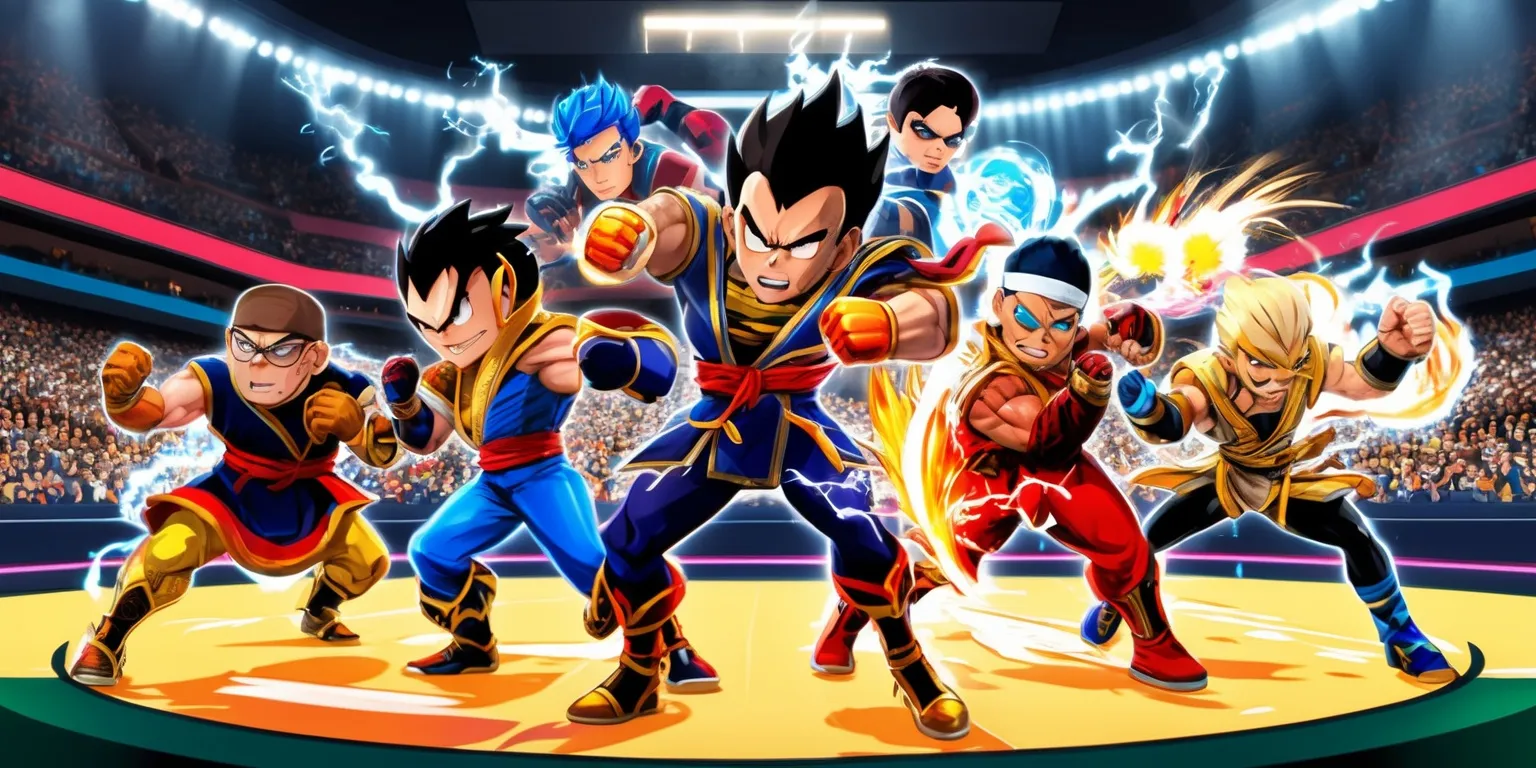
Beyond the tactical nuance of combo management, the game introduces a resource management mechanic that tests a player’s endurance and strategic planning. Assist Breaks serve as an emergency response, able to thwart a burgeoning combo at the expense of both meter and health reserves for the assist character. This system requires a delicate consideration: while it offers a way to escape imminent defeat, its repeated use can seriously diminish the overall vitality of a team. The element of risk is heightened by the fact that every character begins with a generous allotment of meter bars, creating scenarios where overreliance on this escape mechanic can leave one vulnerable in subsequent rounds. Such a design choice pushes players to weigh the immediate benefit against the long-term costs, ensuring that each decision carries significant strategic weight within the broader framework of each match.
Dynamic Adaptation in High-Pressure Situations
As the intensity of combat rises, players are compelled to constantly adapt, balancing aggression with prudent caution. Every combo initiates a miniature duel where players might counteract, feint, or commit to an offensive surge in hopes of gaining the upper hand. With assist mechanisms resetting and cooldown periods forcing a temporary defensive posture, the game captures the essence of exhilarating back-and-forth skirmishes. In moments when the battlefield becomes a maelstrom of overlapping actions, the effectiveness of transitions, coupled with the strategic use of tags and evasive maneuvers, highlights a refined combat system. There is a clear emphasis on making each move count, ensuring that both the buildup and the execution of attacks are laced with tension and anticipation. It challenges players to remain ever vigilant, turning every match into a suspenseful chess-like encounter where timing is everything.
Responsive Control and Aesthetic Precision
The physical feel of the game is heavily influenced by its responsive control scheme and attentive design. Drawing comparisons to other renowned fighting game series, the character movement is deliberate and measured, demanding precision from every participant. While some players may initially yearn for the fluidity of more modern titles, the weight of each move contributes to an experience that is both grounded and satisfying. The detailed animations underscore the character’s attributes—lightning-fast maneuvers for agile fighters juxtaposed with powerful, deliberate strikes for the heavy hitters. Visual cues, whether they be through subtle screen shakes or vivid flashes during critical moments, serve as integral feedback to both new players and veterans. Such meticulous care in the presentation not only reinforces "the tactical components of the game as well as" elevates its standing in the pantheon of visually and mechanically refined fighting experiences.
Exploring the Narrative Through Cinematic Battles
The story mode, although brief, offers a compelling glimpse into a larger universe. Developed with input from respected figures in the narrative realm and tied closely to the established lore, the mode transcends the arena battles and transports players to pivotal moments steeped in history. The carefully crafted cutscenes weave fluid animation with narrative intrigue, echoing a stylistic approach reminiscent of high-quality animated series. Every battle is not just a contest of physical prowess but also a dramatic reenactment of key story beats that echo the larger conflict framing the game. Fans familiar with the original medium will delight in the subtle references and detailed portrayals of iconic characters, while newcomers are treated to a well-executed introduction that ties the gameplay seamlessly into its wider narrative fabric.
Character Diversity and Distinct Playstyles
The roster presented at launch is a testament to the game’s commitment to variety and authenticity. With 18 fighters each imbued with a unique set of skills and visually distinctive traits, The game is designed to accommodate a diverse spectrum of gameplay approaches and strategic preferences. Characters designed for speed execute their movements with a burst of agility, while those built for heavy impact deliver decisive, almost overwhelming, strikes. Wild cards in the lineup add layers of unpredictability, showcasing abilities like rapid teleportation and off-angle attacks that keep players on their toes. The careful curation of move sets not only enhances the gameplay depth but also ensures that each encounter feels fresh. This rich tapestry of fighter archetypes means that team composition and individual mastery become integral parts of the experience, prompting each player to explore and perfect their personal strategies over countless matches.
Timing and Tension in Timed Match Encounters
The game introduces a unique twist in its approach to traditional timed matches by incorporating a sudden death mode that dramatically elevates the stakes. When the timer runs out, victory is not automatically granted based on the cumulative health of inactive fighters. Instead, the match transitions to a tense final showdown where the remaining active combatants have their health bars restored in relation to their teammates’ standings. This abrupt shift injects an unpredictable layer into the gameplay, where the lead is momentarily jeopardized regardless of previous advantage. The relentless, ongoing damage applied during this phase forces players to balance their short-term tactics with the looming threat of an unforeseeable counterattack. In doing so, the game's design compels combatants to remain strategically adaptable throughout the match, ensuring that every round is imbued with high tension and a heightened level of risk management.
Bridging Tradition with Modern Customization
Adding further depth to its competitive edge, the game boasts an impressive suite of customization options that extend well beyond mere aesthetics. Players can personalize their profiles with a rich array of badges, titles, backgrounds, and frames inspired by both the original source material and the extended lore. The ability to incorporate more than 300 elements into one’s tag creates a personalized identity that strikes a chord with both longtime enthusiasts and new audiences alike. This customization is more than superficial adornment; it reflects the game’s overall philosophy of merging tradition with contemporary design. Although other modes such as the traditional arcade or basic training sequences may feel somewhat understated, the extensive personalization elements provide a unique signature for dedicated players, crafting an immersive environment that solidifies a deep connection between the gameplay mechanics and the game’s cultural roots.
Seamless Online Integration and Network Excellence
The game’s performance in online environments has been one of its most lauded aspects, offering a smooth and responsive experience that is critical for competitive play. Utilizing top-tier rollback netcode, the connection remains robust and resilient even in fluctuating network conditions, ensuring that every punch, tag, and counter action is seamlessly executed in real time. The painstaking effort put into perfecting the netcode results in fluid matchups that rival the experience of in-person tournaments. For competitive players who thrive on the razor-thin margins of error in high-stakes battles, such technical reliability is paramount. While the game offers various modes to engage both casually and competitively, the emphasis on a stable online infrastructure creates a level playing field where skill truly remains the decisive factor, further reinforcing the game’s commitment to quality in every digitized collision.